Top Landscape Design Trends in North Georgia for 2025
By Tendai Donald Mandirahwe – Lead Landscape Designer at Hudson Landscape Services
At Hudson Landscape Services, we recognize the evolving preferences of North Georgia homeowners in 2025. As more people seek to blend sustainability, functionality, and natural beauty into their outdoor spaces, several key trends are shaping modern landscape design.
1. Native and Drought-Resistant Landscaping
With increasing water conservation efforts and unpredictable weather patterns, many homeowners are turning to native plants that thrive in North Georgia’s climate. These plants require less maintenance, support local ecosystems, and create a more resilient landscape.
Recommended Native Shrubs and Tree
- Shrubs:
- Spicebush (Lindera benzoin): Thrives in part to full sun, attracts butterflies, and provides berries that birds love.
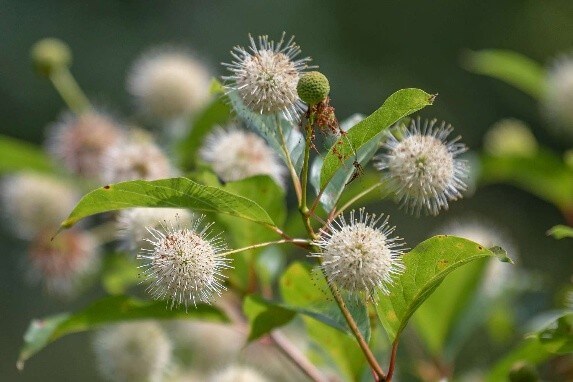
- Buttonbush (Cephalanthus occidentalis): This plant prefers moist areas but is drought-tolerant once established; its summer flowers attract bees and butterflies.
- Trees:
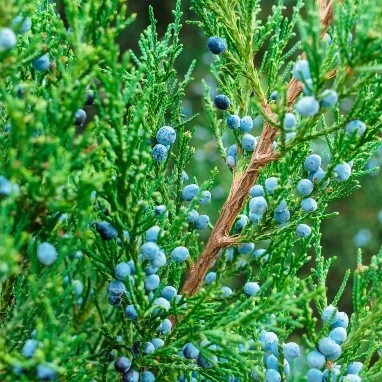
- Eastern Red Cedar (Juniperus virginiana): A small evergreen tree with scale-like leaves and attractive peeling bark.
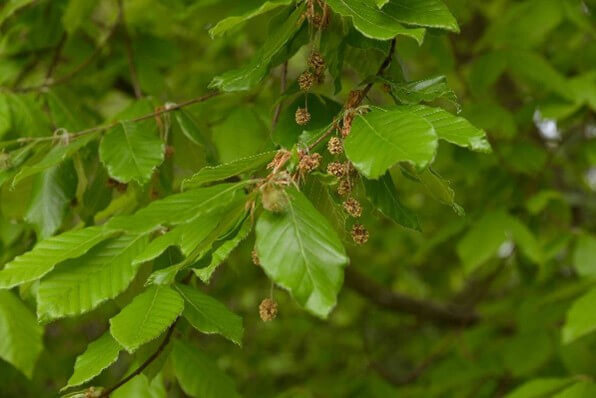
- American Beech (Fagus grandifolia): A native shade tree well-suited to Georgia’s environment.
By incorporating these native species, homeowners can create landscapes that require less watering and fertilization while enhancing biodiversity.
2. Expanded Outdoor Living Spaces
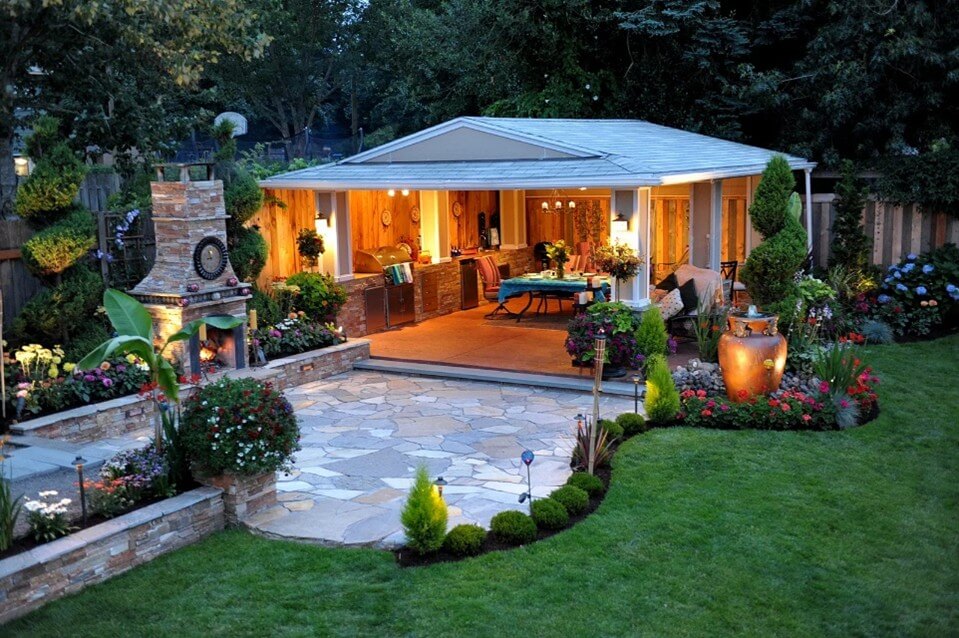
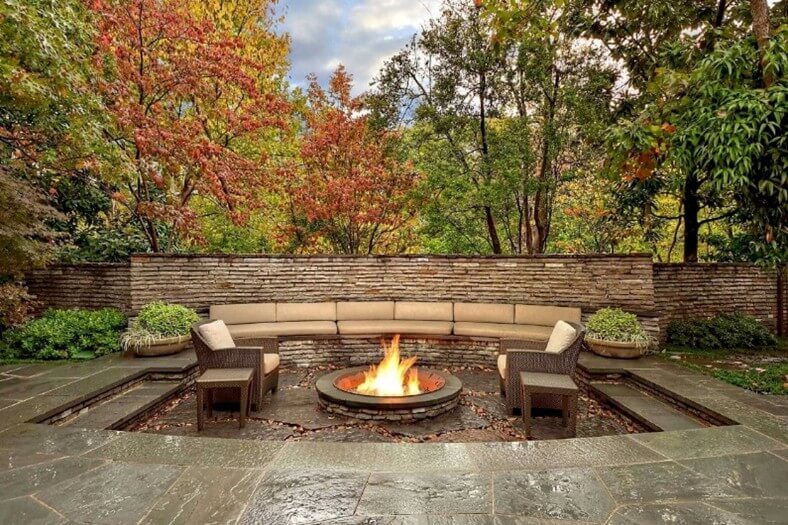
Homeowners are increasingly transforming their backyards into functional extensions of their homes, creating outdoor living areas that serve as venues for entertainment, relaxation, and family gatherings. Features such as patios, pergolas, outdoor kitchens, and fire pits are becoming essential components of modern landscape design.
Investing in these outdoor amenities not only enhances daily living but also significantly boosts property value. Well-designed outdoor spaces can increase a home’s resale value, with outdoor kitchens alone adding up to 2.2% to a property’s worth.
Beyond financial benefits, spending time in nature has been proven to improve mental health. Studies have shown that exposure to green spaces can reduce stress, anxiety, and depression while increasing happiness and calmness. A thoughtfully designed outdoor area provides a personal retreat, promoting overall well-being.
3. Smart and Sustainable Irrigation
Water conservation remains a top priority for many homeowners, leading to the adoption of smart irrigation systems that optimize water usage. These advanced systems utilize weather data, soil moisture levels, and plant requirements to deliver precise watering schedules, ensuring landscapes remain lush while minimizing waste.
The benefits of smart irrigation are substantial. Studies show that these systems can reduce water usage by 15% to 40%, depending on climate, plant types, and system configuration. In regions like California, the implementation of precision irrigation systems has led to a 20% reduction in water use and a 12% increase in crop yields.
Financially, the savings are notable. Interrupting an irrigation cycle during a rainfall event can save approximately $33.95 per 1,000 gallons of water. Over time, these savings can offset the initial investment in smart irrigation technology.
Environmentally, efficient water management reduces strain on local water supplies, especially during dry spells, and supports community efforts to maintain sustainable practices.
By embracing smart and sustainable irrigation solutions, homeowners can maintain vibrant landscapes while conserving resources and reducing utility costs.

4. Pollinator-Friendly Gardens
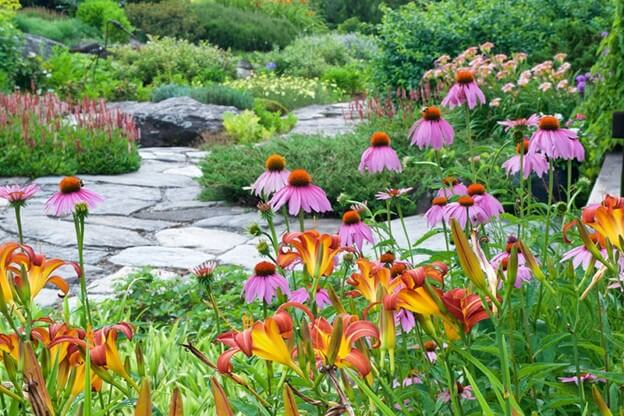
Creating landscapes that support pollinators like bees and butterflies is a growing trend. Incorporating flowering perennials such as Black-Eyed Susans, Milkweed, and Wild Bergamot not only adds vibrant color but also fosters a balanced ecosystem.
Pollinators are essential for the reproduction of over 85% of the world’s flowering plants, including more than two-thirds of the world’s crop species. A single Milkweed plant, for example, can support dozens of monarch butterfly larvae, while Coneflowers attract hundreds of bees daily. By planting these species, homeowners can contribute to biodiversity while ensuring a thriving, healthy garden.
5. Natural Stone and Organic Materials
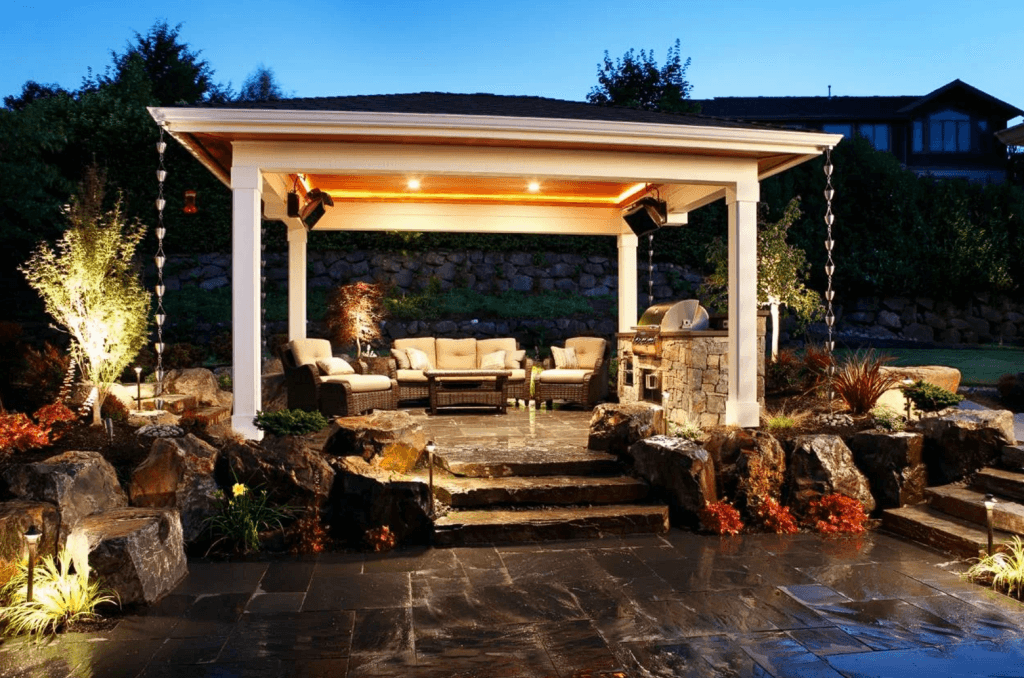
There is a growing shift towards using natural and organic materials in hardscape design. Flagstone pathways, river rock accents, and rustic wood features add character while maintaining an eco-friendly approach. These materials are durable, timeless, and blend seamlessly with North Georgia’s natural surroundings.
Using organic materials also reduces the environmental impact associated with synthetic alternatives. Natural stone, for instance, requires less processing and energy consumption compared to concrete, making it a more sustainable choice for patios, walkways, and retaining walls.
Elevate Your Landscape in 2025
At Hudson Landscape Services, we specialize in designing and installing landscapes that are both beautiful and functional. Whether you’re interested in sustainable planting, expanding your outdoor living space, or implementing smart irrigation systems, our team is here to help you create a landscape that fits your lifestyle and the North Georgia environment.
Looking for expert landscape design solutions? Contact Hudson Landscape Services today to bring your vision to life.
“The Lord will guide you always; he will satisfy your needs in a sun-scorched land and will strengthen your frame. You will be like a well-watered garden, like a spring whose waters never fail.” – Isaiah 58:11
Sources:
- Using Georgia Native Plants: usinggeorgianativeplants.blogspot.com
- Native Shrubs for Georgia: kinseyfamilyfarm.com
- Plants That Thrive in Sandy Soil: thespruce.com
- Georgia Native Plants List: naturehills.com
- The Benefits of Outdoor Living Spaces: thelandscapedesigncenter.com
- Landscaping Ideas That Increase Home Value: realsimple.com
- Smart Irrigation Technology Benefits: energy.gov
- Water Conservation & Smart Irrigation Market Growth: globenewswire.com
- Smart Irrigation Savings & Benefits: extension.okstate.edu
- Role of Smart Irrigation in Water Conservation: everythingoutdoors.biz
- Pollinator Conservation & Impact: xerces.org